High-quality supply sources, at prices lower than the market rate.

—— NEWS CENTER ——
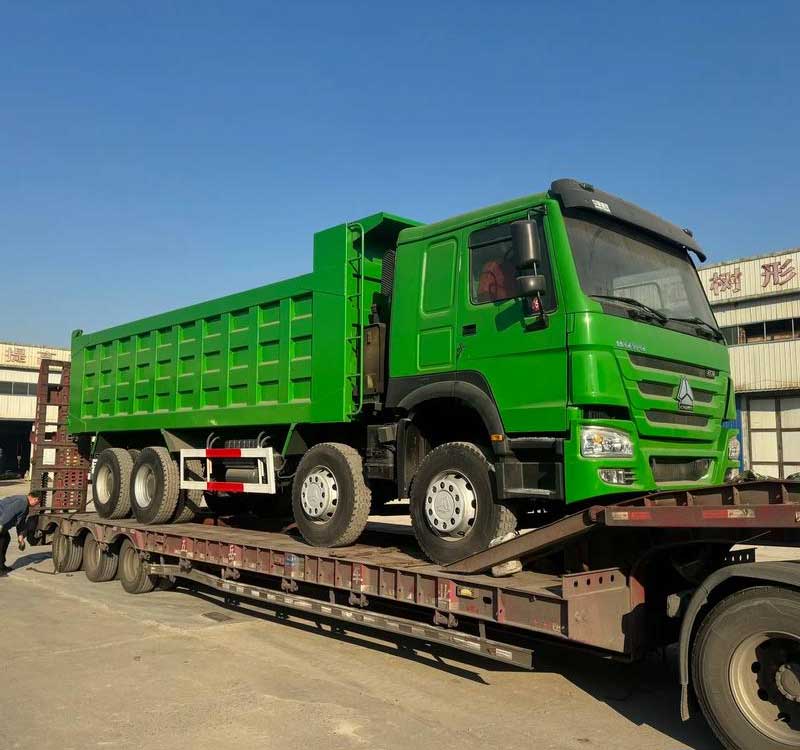
Before placing a bulk order for used trucks or second-hand cranes—especially models with load capacities of 30 tons, 70 tons, 80 tons, or 100 tons—procurement teams, project managers, operators, and distributors must rigorously verify the reliability of the used car supplier. A single oversight can lead to operational delays, safety risks, or costly downtime. This guide walks you through proven, actionable steps—from documentation review and site audits to third-party verification—to confidently assess supplier credibility. Whether you’re sourcing heavy-duty used trucks or specialized lifting equipment, due diligence starts here.
Review Documentation Transparency & Compliance History
A trustworthy used car supplier maintains complete, traceable service records for every unit—especially critical for high-load-capacity assets like 70-ton and 100-ton used trucks or second-hand cranes. Request full maintenance logs, original OEM service bulletins, structural inspection reports (per ISO 12100 or EN 13001), and proof of compliance with local roadworthiness standards. Cross-check chassis numbers against national vehicle registries and verify whether major components—including axles, hydraulic systems, and boom structures—have undergone certified refurbishment. Suppliers who hesitate to share digital copies of these documents, or whose records show inconsistent intervals between inspections for 80-ton or 30-ton units, warrant immediate caution.
Also examine warranty terms—not just duration, but scope. Reputable suppliers offer at least 3–6 months limited coverage on drivetrain and structural integrity for used trucks, with clear exclusions listed in writing. Avoid vendors offering “lifetime” or vague assurances without defined liability clauses. In China, for example, GB/T 30341-2013 sets minimum disclosure requirements for commercial vehicle resale; in the EU, Directive 2007/46/EC mandates traceability for all heavy machinery entering secondary markets.
Conduct On-Site Facility & Inventory Audit
Physical presence remains irreplaceable when evaluating a used truck supplier. Schedule an unannounced visit to inspect their storage yard, workshop bays, and parts inventory. Look for organized staging zones by load capacity class., dedicated areas for 30-ton rigid chassis versus 100-ton articulated dump trucks. Observe how second-hand cranes are stored: upright booms, sealed hydraulic reservoirs, and corrosion-resistant grounding plates indicate professional handling.
Ask to witness live diagnostics on one randomly selected unit matching your target spec—say, an 80-ton used truck undergoing brake pressure testing or load-sensing calibration. Certified technicians should reference OEM diagnostic software (e.g., Volvo Tech Tool or CAT ET) rather than generic scanners. Note whether spare parts—especially wear items like kingpins, torque converters, or slew ring bearings—are stocked onsite and labeled with batch numbers and shelf-life dates. Absence of calibrated torque wrenches or load-testing jigs signals insufficient technical rigor.
Validate Third-Party Certifications & Reference Checks
Independent verification adds objective weight to claims. Confirm whether the used car supplier holds active ISO 9001:2015 certification specifically covering “pre-owned construction vehicle reconditioning.” Check accreditation status via IAF CertSearch or national bodies like CNAS (China) or UKAS (UK). For second-hand cranes, demand copies of recent third-party structural integrity reports from firms accredited under ISO/IEC 17020—ideally including ultrasonic weld inspection data for boom sections.
Then contact three recent buyers—preferably those who purchased 70-ton or 100-ton used trucks within the last 12 months. Ask about delivery accuracy, post-sale technical support responsiveness, and real-world performance under rated load conditions. Document discrepancies: if two references report repeated hydraulic leaks in 80-ton units despite “full system rebuild” claims, that pattern reveals systemic quality gaps—not isolated incidents.
Compare Technical Specifications Against Industry Benchmarks
Don’t rely solely on stated load capacity. Cross-reference manufacturer specifications with field-tested benchmarks. For instance, a used truck advertised at 100 tons may only sustain that rating on flat, dry pavement per ISO 10567; real-world gradients or surface conditions often reduce safe working load by 12–18%. Similarly, second-hand crane lifting charts degrade over time—request current load charts validated by a certified rigger using dynamic load testing protocols (ASTM E1317).
Final Verification & Next Steps
Reliability isn’t inferred—it’s verified across documentation, facility, certification, and real-world validation. Prioritize suppliers who openly provide serial-number-level traceability, host live video walkthroughs of inventory, and allow third-party inspectors access pre-shipment. When sourcing used trucks or second-hand cranes across load capacities—30 tons to 100 tons—the margin for error shrinks with scale. Your due diligence directly impacts site safety, fleet uptime, and total cost of ownership.
We support procurement professionals, project managers, and distributors with audited inventories of ISO-compliant used trucks and certified second-hand cranes—including verified 70-ton and 80-ton configurations backed by OEM-aligned service histories. Request a supplier credibility checklist and schedule your first remote audit today.
Please search for the product you want here.
If you don't find what you are looking for, you can consult our business manager.