High-quality supply sources, at prices lower than the market rate.
—— NEWS CENTER ——
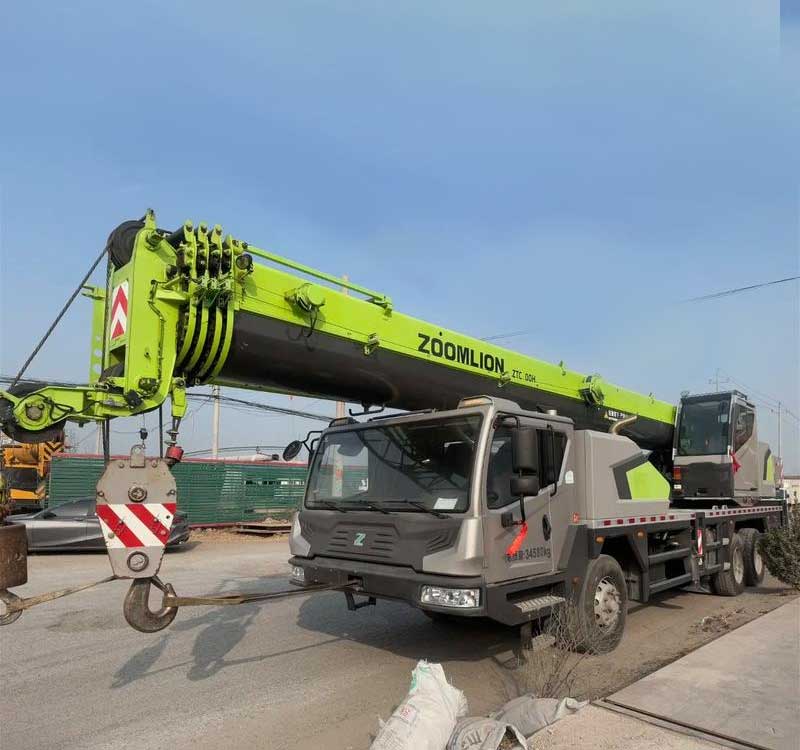
When evaluating a second-hand crane with load capacity: 70 tons, 80 tons, or 100 tons — especially from a used car supplier or trusted used truck dealer — never skip reviewing critical maintenance records. As a user, procurement officer, project manager, or distributor, you need verified documentation covering structural inspections, hydraulic system servicing, load testing history, and compliance for cranes rated at 30 tons and above. These records directly impact safety, uptime, and total cost of ownership. This guide details exactly which documents to request — and why each matters for cranes in the 70–100 ton range.
Structural Integrity Documentation: The Foundation of Safe Operation
For any second-hand crane operating at 70 tons, 80 tons, or 100 tons, structural integrity is non-negotiable. Cranes in this load capacity range endure extreme cyclic stress during lifting, slewing, and luffing. Request certified inspection reports from an ISO 9001-accredited third-party NDT (non-destructive testing) provider, including ultrasonic weld scans and magnetic particle testing of boom sections, jib hinges, and slew ring mounts. These reports must be dated within the last 12 months and reference original OEM specifications — not just generic pass/fail stamps. A reputable used car supplier or used truck dealer should provide full traceability: serial numbers matched to inspection logs, corrosion mapping for undercarriage and outrigger pads, and documented repairs using ASTM A572 Grade 50 steel or equivalent. Missing or vague structural records signal potential fatigue damage — a leading cause of catastrophic failure in cranes rated at 30 tons and above.
Hydraulic & Powertrain Service History: Uptime Depends on Consistency
Hydraulic systems power the core functions of high-capacity mobile cranes. For units with load capacity: 70 tons and beyond, inconsistent fluid changes or overdue filter replacements accelerate pump wear and valve stiction — often resulting in uncommanded boom drift or delayed brake response. Demand complete service logs showing oil analysis reports (ASTM D6595), replacement dates for main control valves, relief cartridges, and hydraulic accumulators. Cross-reference these entries with odometer readings and operational hours — discrepancies here may indicate tampering or undocumented heavy-duty use. Also verify engine and transmission service intervals aligned with SAE J1940 standards for off-highway diesel applications. A credible used truck dealer will supply digital service receipts tied to VIN and crane ID, not handwritten notes or generic invoices.
Load Test Certifications & Calibration Records
A crane rated at 100 tons must prove its capability — not just its rating plate. Ask for ASME B30.5-compliant load test certificates issued by a qualified third-party inspector. Each certificate must list test weight (110% of rated capacity), test configuration (e.g., maximum radius, minimum boom length), instrumentation calibration dates (load cells, inclinometers), and environmental conditions (wind speed, temperature). For cranes previously used in wind energy or infrastructure projects, also request dynamic load test summaries — especially if operated near 90% of capacity regularly. Load capacity: 30 tons serves as the regulatory threshold where formal recertification becomes mandatory every 12 months; for 70–100 ton units, skipping even one scheduled test invalidates insurance coverage and violates OSHA 1926.550(a).
Compliance & Regulatory Traceability
A legitimate second-hand crane transaction requires full regulatory lineage. Confirm the unit carries a valid CE mark (for EU-sourced units) or ANSI/ASME B30.5 certification (North America), along with national registration documents (e.g., UK’s LOLER examination record or Australia’s Plant Registration Certificate). Verify that all modifications — such as extended boom sections or upgraded counterweights — were approved by the original manufacturer or a licensed design engineer. Used car supplier claims without supporting engineering sign-offs carry significant liability risk. Always cross-check serial numbers against national crane registries to rule out theft, write-offs, or prior accident history — especially important when sourcing a used truck-mounted crane with 100 tons load capacity.
In summary, due diligence on maintenance records isn’t procedural overhead — it’s predictive risk management. For cranes with load capacity: 70 tons, 80 tons, or 100 tons, verified documentation confirms mechanical readiness, regulatory alignment, and long-term reliability. Whether you’re a procurement professional vetting a used car supplier, a project manager deploying equipment on tight timelines, or a distributor building trust with end users, these records form your first line of defense against downtime, injury, and cost overruns. Don’t settle for incomplete files or verbal assurances. Insist on full, timestamped, third-party-verified records — and validate them before payment.
Need help verifying documentation or sourcing pre-vetted second-hand cranes with full compliance packages? Get expert support today.
Please search for the product you want here.
If you don't find what you are looking for, you can consult our business manager.