High-quality supply sources, at prices lower than the market rate.

—— NEWS CENTER ——
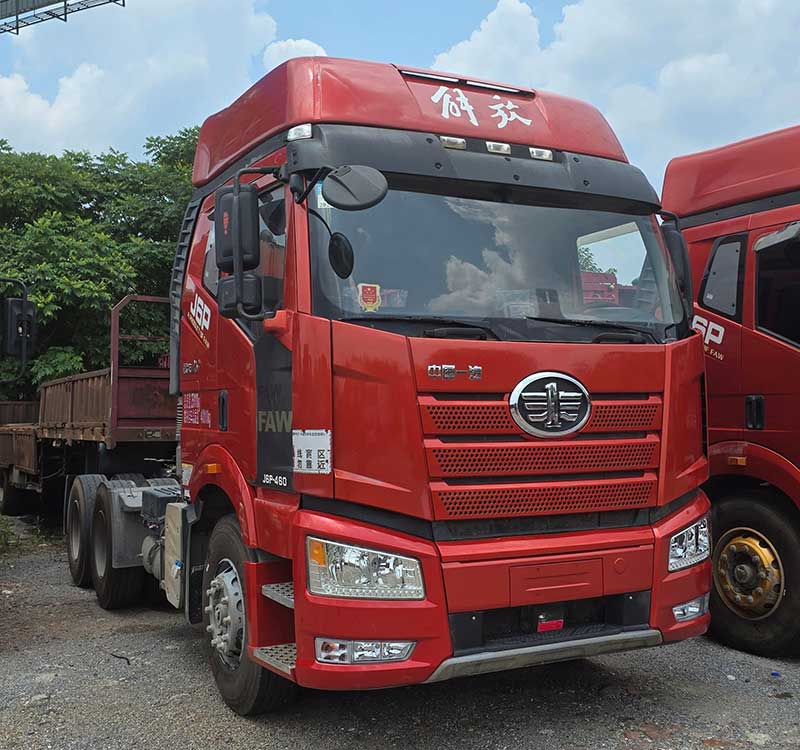
Planning a time-sensitive infrastructure or lifting project? Knowing how long delivery takes for a pre-owned 100-ton crane from a certified supplier is critical—especially when your operation relies on precise load capacity: 30 tons, 70 tons, 80 tons, or full 100 tons. Whether you’re a project manager coordinating site logistics, a procurement specialist vetting a used truck or second-hand crane, or a dealer sourcing reliable equipment from a trusted used car supplier, lead times impact budgeting, scheduling, and safety compliance. This guide breaks down realistic delivery windows, key variables (like inspection, transport, and documentation), and how certified suppliers streamline the process for operators and distributors alike.
Standard Delivery Timelines for Pre-Owned Cranes by Load Capacity
For engineering teams managing tight construction schedules, understanding baseline delivery expectations is foundational. A certified supplier typically delivers a pre-owned 100-ton crane within 14–25 business days after order confirmation—provided the unit is in stock and passes final validation. Units with lower load capacity—such as 30 tons, 70 tons, or 80 tons—often ship faster due to higher inventory turnover and simpler logistics. Below is a comparative overview of average transit durations across common configurations:
Critical Variables That Influence Crane Delivery Speed
While standard timelines provide a useful benchmark, real-world delivery depends heavily on operational variables unique to each transaction. For instance, certification status directly affects processing speed: cranes verified under ISO 9001-compliant inspection protocols require fewer rechecks than non-certified units. Documentation readiness—including title transfer, original service logs, and third-party load test reports—is equally decisive. A delay in verifying compliance with EN 13000 or ASME B30.5 standards can extend handover by up to 10 days. Additionally, transport complexity escalates with load capacity: moving a 100-ton crane often requires specialized lowboy trailers, route surveys, and state-level oversize permits—steps rarely needed for a 30-ton or 70-ton used truck or second-hand crane.
Geographic proximity matters too. Suppliers maintaining regional distribution hubs in North America, the Middle East, or Southeast Asia reduce inland transit by 3–7 days compared to centralized overseas warehouses. Project managers and procurement specialists should confirm whether their chosen used car supplier operates localized staging yards—this detail significantly shortens deployment windows for urgent infrastructure lifts.
How Certified Suppliers Accelerate the Procurement Workflow
A reputable certified supplier doesn’t just sell equipment—it integrates into your project execution chain. Leading vendors maintain digital asset registries that display real-time availability, maintenance history, and load-test validity for every second-hand crane in inventory. This transparency eliminates weeks of back-and-forth verification. Many also offer modular financing and logistics bundling: for example, pairing crane acquisition with operator training, site commissioning support, or extended warranty coverage—all coordinated under one SLA. Dealers and distributors benefit further through consignment programs and shared inventory visibility, enabling rapid allocation across multiple client projects without redundant inspections.
Crucially, certified suppliers align documentation with international trade frameworks like Incoterms® 2020. When terms are clearly defined (e.g., DAP or FCA), customs clearance, insurance liability, and risk transfer points become predictable—not sources of delay. This level of procedural rigor supports E-E-A-T-aligned decision-making for procurement professionals evaluating a used truck or second-hand crane against total cost of ownership—not just sticker price.
Strategic Recommendations for Time-Sensitive Projects
To minimize schedule risk, project managers should initiate crane procurement at least six weeks before lift commencement—even for standard 100-ton units. Reserve at least two alternative models across load capacity tiers (e.g., 80 tons and 100 tons) to accommodate sudden availability shifts. Always request written confirmation of inspection scope, transport method, and documentation package prior to deposit. Finally, verify whether your used car supplier participates in OEM-authorized refurbishment networks—these partnerships ensure parts traceability, software compatibility, and compliance with current safety directives like EU Machinery Directive 2006/42/EC.
Please search for the product you want here.
If you don't find what you are looking for, you can consult our business manager.